My teenage son dropped his phone in the pool last Christmas. The screen cracked, the phone sank like a stone, and twenty-three videos of our family camping trip were gone in one splash.
That’s when I realised I needed a backing up your phone guide for people who'll never read a guide—because let’s be honest, I would’ve ignored a ten-page manual too.
We spent an afternoon restoring everything from the cloud, but it would have been easier (and cheaper) if I’d done the backup properly in the first place. So I rewrote the rules for us, the ones that fit between making lunches and watching the Footy Show.
Why Backups Matter More Than You Think
Phones hold more than just photos—they store banking apps (Commonwealth Bank, ANZ, myGov), work email, contact lists, and two-factor authentication codes. Lose your phone, and you're suddenly locked out of half your life.
Here’s what happens without a backup:
- Your photos disappear (no more birthday montages or the kids’ school plays)
- You have to ring Telstra or Optus to re-activate the SIM and re-verify every account
- Your authenticator app resets, and you’re frantically emailing companies to regain access
Once I saw my son’s faces vanish, I made a rule: every Sunday night, we check that both phones have a recent backup. It takes five minutes and keeps us sane.
The Backing Up Your Phone Guide That Actually Works
You don’t need tech skills. Follow this plan.
Step 1: Pick your backup method
For iPhones: iCloud is the easiest. Go to Settings → [Your Name] → iCloud → iCloud Backup → Toggle ON. Tap "Back Up Now" while you’re near Wi-Fi (Telstra offers unlimited home Wi-Fi for most plans, so use it).
For Android: Use Google One backup. Go to Settings → Google → Backup → Toggle it on. It saves app data, call history, SMS, and photos to Google Drive.
If you’re on a limited data plan (hello, prepaid Optus), use Wi-Fi. At the pub, at the in-laws’, wherever you know the password. I told my mother-in-law to connect to our chunky old router once a week so her phone backs up while she watches ABC.
Step 2: Automate backups
Both iCloud and Google One can back up automatically when the phone is charging and on Wi-Fi. Turn this on now—it’s the "set and forget" part that keeps you from looking silly at the Apple store down the road.
If you hate automatic backups, just set a reminder. I set a recurring reminder on my Apple Watch. It says, "Backup or you’re buying a new phone."
Step 3: Double-check the settings
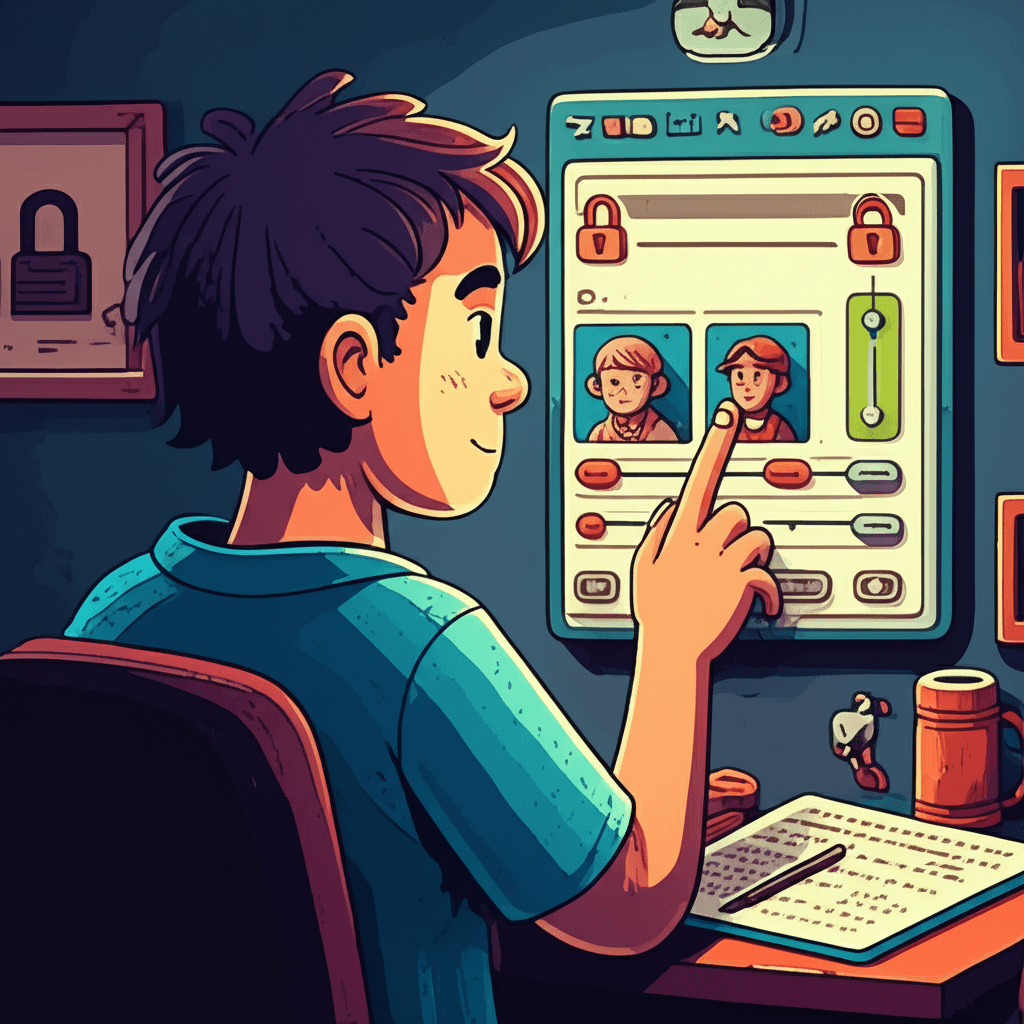
Go into the backup menus and make sure the toggle is green. On iPhone, check the date of the last backup under "Back Up Now." On Android, open the Google One app and see the latest backup status.
If the date says "Never," fix it now. I once saw my sister’s phone say "Never"—she thought it was backing up, but the toggle was off. Ten minutes later, it was sorted.
Step 4: Store copies off-device (optional but powerful)
You can also back up to your computer: connect your iPhone to a Mac or Windows machine and use Finder/iTunes to create an encrypted backup. Same with Android using Google Drive or a dedicated backup app like Samsung Smart Switch.
For families with older parents, I set up a shared Google Drive folder. They upload precious photos, and I keep an extra copy on a USB stick in the safe.
What to Do When Backup Fails
Sometimes backups fail because of storage limits. iCloud gives you 5GB free, which disappears quickly if you take high-res photos. Upgrade to 50GB for $1.49/month. That’s cheaper than losing a full album of holidays.
Google Drive starts with 15GB free—if you hit the limit, delete old files, or buy more storage via Google One. Use an external drive as a second backup. I keep one at home and another in my office drawer just in case.
If the backup fails while you’re on the run, plug into Wi-Fi, restart the phone, and try again. Most failures fix themselves after a reboot.
Also, keep an eye on your storage usage. On iPhone, go to Settings → [Your Name] → iCloud → Manage Storage to see what's taking up space. Delete old device backups (yes, I still had my iPad Air from 2016 in there), or move large files to Google Drive or Dropbox. On Android, open the Google One app and tap "Storage" to free up space. A full storage pool is the most common reason the weekly backup refuses to run.
Teach the Family the Habit
- Teenagers: Tell them a backed-up phone equals more screen time. I bribed mine with extra Fortnite time if he confirmed the weekly backup.
- Partners: Share the reminder. I send a voice note every Sunday: "Backup check, please."
- Parents: Visit them once a month to check their backup status. My dad now knows how to open the Google One app and sees the "Last backup: today" message.
You can also create a backup checklist on the fridge. Something as simple as: "1. Plug in. 2. Connect to Wi-Fi. 3. Confirm backup. 4. Smile."
Why This Feels Achievable
This guide is not about deep tech. It’s about building small habits so that the moment a phone disappears (pocket, pool, or the bottom of a bag), your photos, contacts, and banking details come roaring back.
Think of it as insurance. For the cost of a couple of coffees, you keep the memories, the important contacts, and the security tokens safe. My family now has one less thing to panic about.
Future you—scrolling through a full camera roll after the phone gets replaced—will thank present you for following this simple backing up your phone guide.